


Type:
Off-the-Shoulder Scuba Crepe...


Type:
Bridesmaid Satin Wrap...


Type:
Eden Crepe Square...


Type:
Taupe Satin Cut-Out...


Type: Jumpsuit
Sleeveless Drawstring Solid...


Type: Jumpsuit
Side Ruched Women's...


Type: Jumpsuit
Scuba Crepe Cross-Neck...


Type: Jumpsuit
SATIN WOMEN'S PUFF...
Type:
Taupe Satin Cut-Out...


Type:
Stunning Sage Green...


Type:
Hot Pink One-Shoulder...


Type:
Fanciful Flirt Royal...
Zyvanea Classic Custom Solid Sash V Neck Pocket Sleeveless 100% Cotton for Your Unique Style
Get the pieces our US customers are loving. These items stand out for their comfort, precisely made-to-measure fit, and how well they work for custom designs. Whether you need plus-size custom shirts, apparel for tall women, or unique outfits for your body and comfort, these trending picks are the reliable base you need.


Made for you. Because the most beautiful thing you can wear is confidence.

The Zyvanea Cotton Collection
Get the difference of our premium cotton collection, made from long-staple, combed ringspun cotton that feels exceptionally soft and holds its shape wash after wash. Each piece provides a smooth, clear base for our vibrant DTG prints, making it the ultimate choice for personalized clothing that lasts.


Type: Dress
ELDIVIN 0110 Women...


Type:
ELDIVIN Satin Dress


Type:
Phenomenal One-shoulder Ruffled...


Type: Dress
Doss Metallic Cocktail...

All New Arrivals
See what's new this week. These styles are crafted from premium fabrics like combed ringspun cotton and performance blends, making them the perfect canvas for our high-definition Direct-to-Garment (DTG) printing and precision twill embroidery.
Design Your Custom Clothing
Every piece is designed and tailored for your body and your life, ensuring a fit that celebrates your unique journey.

Off-the-Shoulder Scuba Crepe Gown - 100% Exclusive

Bridesmaid Satin Wrap Maxi Dress

Eden Crepe Square Neck Cami Wedding Dress

Taupe Satin Cut-Out Back Ruched Midaxi Dress
Find high-quality, comfortable pieces designed to fit flawlessly into your daily routine

Sleeveless Drawstring Solid Women's Jumpsuits

Side Ruched Women's Jumpsuit

Scuba Crepe Cross-Neck Women's Jumpsuit

SATIN WOMEN'S PUFF SLEEVE JUMPSUIT
Our garments are thoughtfully crafted to your precise measurements, so you can experience a fit unlike any other.
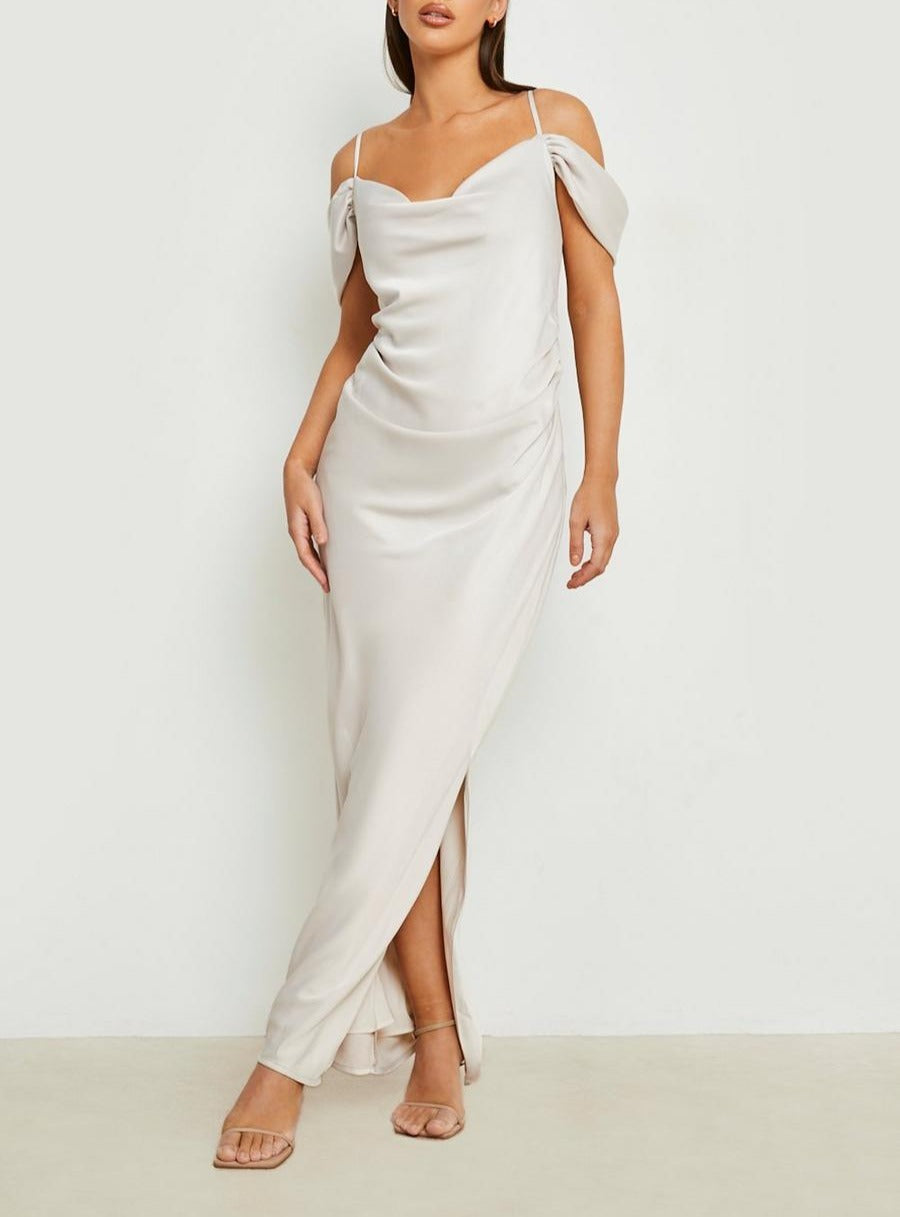

Mix And Match Women Shoulder Maxi Dress


White Maxi Cotton Dress For Women


Confidence White Cotton Maxi Dress for Women


Mid Blue Maxi Dress Made in Satin for Women
Say goodbye to ill-fitting pants. Our collection is tailored to your unique measurements, ensuring a fit that is both flattering and comfortable.


Solid Color Pleated Drawstring Elastic Waist Casual Pants With Pocket


Solid Pocket Casual Zip Tailored Pants For Women


Plain Elastic Waist Pocket Casual Cotton Linen Pants


Solid Color Wide-legged Bowknot Belt Pleated Loose Pants
Why Zyvanea is the Right Choice for Your Custom Apparel
Experience the luxury of a flawless, custom-tailored fit with the ease of fast, reliable shipping

1. No Minimums, Maximum Freedom
1. No Minimums, Maximum Freedom
Order a single, custom-fit piece for yourself or a full batch for your team and brand. Our bespoke tailoring service is designed for everyone.
2. Quality You Can See and Feel
2. Quality You Can See and Feel
We use industry-leading printing and embroidery methods on premium, ethically sourced fabrics. This ensures your custom clothing has a professional finish and is built to last.
3. Fast & Reliable Delivery to the US and Europe
3. Fast & Reliable Delivery to the US and Europe
We prepare, print, and ship your order from our facility quickly. Most orders arrive at your doorstep within 7-10 business days.
4. True Custom Sizing for a Perfect Fit
4. True Custom Sizing for a Perfect Fit
We tailor each piece to your exact measurements, not a standard size chart. This gives you a flawless fit that off-the-rack clothing can't match.
5. Stress-Free Returns & Re-Tailoring
5. Stress-Free Returns & Re-Tailoring
Your satisfaction is our priority. If your custom clothing doesn't fit perfectly, we offer a simple re-tailoring service to ensure it does. We stand behind our promise of a perfect fit.
How to Experience Bespoke Custom Dress made only for you in 4 Simple Steps.
Step 1: Pick Your Apparel & Add Measurements
Choose from our wide range of Midi Dresses, Gowns, Blouses, Pants, and more. Then, input your exact height, weight, and body measurements into our secure form for a truly custom fit.
Step 2: Customize Details & Fabric
Give instructions to our Human ai about How you like to customize your dress. Example - "Increase the length by 4 inches to make my dress longer". "Neck should be more lower for Spicy look. "Remove the sleeves". Add full sleeves to the dress". "Make this dress Modest by increasing neck line and covering the exposed areas with the fabric.
Step 3: Approve Your Digital Preview
Approve Your Size and Customisation details on Email. Check every detail and approve it before we send it to production. Note - Changes can be made after email without any extra charges.
Step 4: Receive Your Perfect-Fit Order
1 Dress - 1 Specialist Tailer. we craft, quality check, and ship your made to measure order directly to your doorstep in the US, Europe and Rest of the world.
What Our Customers Are Saying

Emily T
"I'm 5'2" and have always had to alter everything. I ordered a custom jumpsuit from Zyvanea, and it fits like a glove. The fabric quality is amazing, and I felt so confident wearing it. This is the future of shopping for me


Amelia K
The measurement process was so much easier than I expected. The video guide was a huge help! My final dress arrived, and it was exactly what I wanted. A perfect fit without ever leaving my house. I'm already planning my next order


Zoe S
Finally, a company that understands that women are not all built the same! The attention to detail and the perfect fit of my dress are incredible. It's liberating to wear clothes that were designed for my body. Thank you, Zyvanea

Frequently Asked Questions
Q1. How do I get a perfect fit if I order online?
Q1. How do I get a perfect fit if I order online?
We tailor every garment to your precise body measurements using a simple video guide you follow at home, guaranteeing a fit better than any standard size chart
Q2. What is the minimum order quantity?
Q2. What is the minimum order quantity?
There are no minimums! Order a single, custom-fit piece for yourself, a few items for a gift, or a full batch for your team or brand.
Q3. What if my custom clothing doesn't fit perfectly?
Q3. What if my custom clothing doesn't fit perfectly?
We stand by our promise of a perfect fit. If your custom clothing doesn't fit, we offer a stress-free re-tailoring service to make it right.
Q4. How long will it take to receive my custom order?
Q4. How long will it take to receive my custom order?
We aim to have most orders prepared, crafted, and delivered to your doorstep in the US and Europe within 7–10 business days.
Q5. Can I design custom apparel for my business or team?
Q5. Can I design custom apparel for my business or team?
Absolutely. Our service is ideal for creating professional, custom-branded apparel, and we offer competitive rates for bulk orders.
Q6. Do you offer plus sizes or tall sizes?
Q6. Do you offer plus sizes or tall sizes?
Since we make every garment to your exact measurements, we inherently cater to all body shapes, sizes, and lengths, including plus-size and tall women's apparel.
Q7. Which fabrics are best for a custom design?
Q7. Which fabrics are best for a custom design?
Our soft, smooth-surface fabrics, like 100% Supima Cotton and cotton blends, are recommended for the best color vibrancy and clarity with our DTG printing.
Q8. Where does Zyvanea deliver?
Q8. Where does Zyvanea deliver?
We proudly ship our custom-made apparel directly to customers across the USA and Europe
Zyvanea Blogs

The Real Difference Between Bespoke and Made to Measure.
The Real Difference Between Bespoke and Made to Measure. In the world of custom clothing, the terms "bespoke" and "made to measure" are often used interchangeably. However, to a master tailor, they represent two entirely different philosophies of craftsmanship. If you are investing in a custom garment, understanding this distinction is critical. It determines the quality of the fit, the price you pay, and the final look of the dress. This guide clarifies exactly what separates bespoke from made-to-measure, helping you choose the right option for your needs and budget. At Zyvanea, we offer both bespoke and made-to-measure services across the United States. This guide reflects our deep expertise in both craftsmanship approaches, ensuring you make an educated decision. New to custom clothing? Start with our complete pillar guide: Everything You Need to Know Before Getting Your First Custom Dress. What This Guide Covers: Defining Bespoke and Made to Measure How Each Garment Is Created Pattern Development Differences Fit Quality & Customization Timeline & Cost Comparison Real Client Experiences & Case Studies FAQs What Is the Real Difference Between Bespoke and Made to Measure Clothing? To simplify the bespoke vs made to measure debate, we must look at the starting point of the garment. Bespoke (derived from the word "bespeak," meaning to order or speak for something) means the garment is created completely from scratch. An original pattern is drafted specifically for your individual anatomy. There are no pre-existing templates; the paper pattern is unique to you. Made to Measure (MTM), on the other hand, is customized from existing base patterns. We take a standard pattern (like a Size 8) and modify the measurements, shortening the hem, taking in the waist, or widening the shoulders to fit you. The Fundamental Differences Aspect Bespoke Made to Measure Pattern Created from scratch (Original) Modified existing block pattern Starting Point Your unique body measurements A standard base template Design Freedom Unlimited Limited to template constraints Origin Traditional Savile Row tailoring Modern efficiency approach In summary: Bespoke means a garment created entirely from scratch using a unique pattern drafted specifically for your body, while made-to-measure involves adjusting an existing pattern template to accommodate your measurements. How Is a Bespoke Garment Created Compared to Made-to-Measure? The creation process highlights the difference in labor and technical skill required for custom tailoring. The Bespoke Creation Process Bespoke is a journey. It begins with an in-depth consultation and design discussion. We take over 30 detailed body measurements, measuring not just circumference, but the slope of your shoulders and the arch of your back. From there, an original pattern is drafted. A "toile" or "muslin" (a prototype garment) is created for the first fitting. The process involves multiple fittings, extensive hand-finishing, and attention to tailored clothing details that machines cannot replicate. The Made to Measure Process This process is more streamlined. You select a style from an existing catalog. We take 10-15 key measurements. A base pattern (Block Pattern) closest to your size is selected and digitally or manually adjusted. The garment is constructed, often followed by one or two fittings for final refinement. Process Flow Comparison: BESPOKE: Consultation → 30+ Measurements → Original Pattern → Prototype (Toile) 3-5 Fittings → Hand Finishing → Delivery MADE TO MEASURE: Style Selection → 10-15 Measurements → Pattern Adjustment Construction → 1-2 Fittings → Delivery What Role Do Patterns Play in Bespoke vs Made to Measure Tailoring? The pattern is the blueprint of your clothing. This is where the true value lies. In bespoke tailoring, the pattern is created exclusively for you. It accounts for every body nuance if one shoulder is lower than the other, or if you have a swayback, the paper pattern reflects this physically. This pattern is stored for your future orders, becoming your personal template. In made-to-measure, we start with a pre-existing "block pattern." We modify it for length and width, but structural changes are limited. For example, changing the armhole shape entirely might not be possible in MTM. Does Bespoke Clothing Offer a Better Fit Than Made to Measure? The short answer is: Bespoke offers a superior fit for complex bodies, while Made to Measure offers an excellent fit for standard proportions. If you often wonder Why Dresses Look Different on You Than on the Mannequin, the answer usually lies in body symmetry. Bespoke accommodates significant asymmetry (e.g., scoliosis, high hips) because the fabric is cut to drape over your specific shape. Made-to-measure relies on symmetrical adjustments, which are sufficient for most people but may not solve complex fit issues. Fit Quality Comparison Fit Aspect Bespoke Made to Measure Asymmetry Accommodation Complete Limited Proportion Accuracy Exceptional Very Good Movement Comfort Optimized Good Problem Area Solutions Unlimited Within template limits Posture Accommodation Full Partial How Many Fittings Are Involved in Bespoke vs Made to Measure? The number of times you visit the tailor is a key indicator of the service level. Bespoke Fittings: Typically requires 3-5 fittings. First Fitting: We evaluate the "toile" (prototype). Middle Fittings: Refinement of the actual fabric. Final Fitting: Checking perfectly placed hems and buttons. Learn more about this process in our guide: What Actually Happens During Your First Dress Fitting. Made to Measure Fittings: Typically requires 1-2 fittings. First Fitting: Verification of measurements on the nearly finished garment. Final Fitting: Confirmation of adjustments. How Much Customization Is Possible With Each Option? Bespoke Customization:The sky is the limit. You have complete design freedom. Any silhouette, any fabric, unique pocket placements, or hidden embroidery is possible. If you can imagine it, we can construct it. Made to Measure Customization:You are usually selecting from a "menu." You can choose the fabric, buttons, and lining from available options. You can often tweak the lapel width or pocket style, but you cannot invent a completely new garment structure. Customization Element Bespoke Made to Measure Silhouette Design Create anything Choose from options Fabric Selection Unlimited From catalog Structural Changes Any modification Limited Detail Personalization Complete Partial Which Option Takes More Time—Bespoke or Made to Measure? Time is luxury. Bespoke is a slow-fashion process, typically taking 8-16 weeks. The pattern drafting and multiple fittings require time. It is an investment in patience. Made to Measure is faster, typically taking 3-6 weeks. Because the base patterns already exist, production is efficient, making it ideal if you have an upcoming event deadline. Timeline Aspect Bespoke Made to Measure Pattern Development 2-3 weeks 1 week Construction 4-8 weeks 2-3 weeks Fittings Period 2-4 weeks 1-2 weeks Total Timeline 8-16 weeks 3-6 weeks Is Bespoke Always More Expensive Than Made to Measure? Yes, bespoke costs more because you are paying for original pattern creation, highly skilled labor, and extensive hand-finishing. In the USA market, here is a realistic price comparison: Garment Type Bespoke Range Made to Measure Range Simple Dress $1,200 - $2,500 $120- $400 Evening Gown $2,500 - $6,000+ $250- $1,100 Wedding Dress $3,500 - $10,000+ $1,500 - $3,500 Professional Dress $1,000 - $2,000 $450 - $800 Honest Assessment: Made to measure offers exceptional value for most women. Bespoke is worth the premium if you have a complex body type or a highly specific design vision that doesn't exist in catalogs. Who Should Choose Bespoke Instead of Made to Measure? Your Situation Recommended Option Significant body asymmetry Bespoke Standard proportions Made to Measure Unlimited budget Bespoke Budget-conscious Made to Measure Unique design vision Bespoke Happy with style catalog Made to Measure Need in 4 weeks Made to Measure How Do Craftsmanship and Finishing Differ Between Options? Bespoke Craftsmanship:This is heirloom quality. Expect extensive hand-sewing (pick stitching), hand-finished buttonholes, and a "floating canvas" in jackets. A master tailor oversees every seam to ensure longevity and drape. Made to Measure Craftsmanship:This utilizes a combination of machine efficiency and handwork. The construction is professional and durable, often superior to luxury ready-to-wear, but relies more on machine finishing for speed and consistency. Bespoke and Made-to-Measure Success Stories To help you visualize the results, here are three real client scenarios from Zyvanea. Case Study 1: The Bespoke Solution Client: Eleanor J., Attorney, New York Situation: Eleanor has significant scoliosis, creating visible asymmetry in her shoulders and hips. Why Bespoke: Only an original pattern could hide the asymmetry. Result: "For the first time in my life, I have professional dresses that do not pull, gap, or require constant adjustment. The investment was worth every dollar." Case Study 2: The Made to Measure Winner Client: Jennifer S., Marketing Manager, Denver Situation: Jennifer has standard proportions but found off-the-rack dresses were always too long in the torso. Why Made to Measure: Pattern modification was sufficient to fix the torso length without needing a full bespoke build. Result: "Made to measure gave me the perfect fit I needed without the bespoke price tag. It was exactly right for my situation." Case Study 3: The Couture Bride Client: Amanda R., Architect, San Francisco Situation: Amanda wanted a wedding dress with architectural details not found in any catalog. Why Bespoke: Her vision required original engineering. Result: "My dress was a work of art. Every detail was exactly as I imagined. Bespoke was the only way to achieve this vision." What Our Clients Say "I chose made-to-measure for my first custom dress, and it was the perfect introduction. The fit is incredible compared to anything I have bought off the rack." — Melissa Turner, Portland, OR "After experiencing made-to-measure, I invested in bespoke for my gala gown. The difference in hand-finishing and attention to detail is noticeable. Both have their place." — Rebecca Foster, Houston, TX "Zyvanea helped me understand that made-to-measure was right for my needs. I appreciated their honesty rather than pushing the more expensive option." — Diana Brooks, Charlotte, NC Frequently Asked Questions What is the real difference between bespoke and made-to-measure clothing? Bespoke creates an original pattern from scratch for your unique body. Made to measure modifies an existing pattern template to fit your measurements. How is a bespoke garment created from scratch compared to made-to-measure? Bespoke involves 30+ measurements, original pattern drafting, prototype creation, and 3-5 fittings. Made-to-measure uses 10-15 measurements, adjusts existing patterns, and requires 1-2 fittings. Does bespoke clothing offer a better fit than made-to-measure? Bespoke offers a superior fit for complex body types with significant asymmetries. Made to measure provides an excellent fit for bodies with relatively standard proportions. How many fittings are involved in bespoke vs made-to-measure? Bespoke typically requires 3-5 fittings to perfect the structure. Made-to-measure typically requires 1-2 fittings for verification. Is bespoke always more expensive than made-to-measure? Yes. Bespoke ranges from $1,000-$10,000+ due to the labor involved. Made-to-measure ranges from $400-$3,500 depending on complexity. Who should choose bespoke instead of made-to-measure? Choose bespoke if you have significant body asymmetries, need unique design solutions, want unlimited customization, and have budget and timeline flexibility. How much customization is possible with made-to-measure? Made-to-measure allows fabric selection, measurement adjustments, and detail modifications within the constraints of existing pattern structures. Which option takes more time, bespoke or made to measure? Bespoke takes 8-16 weeks due to pattern drafting and hand-finishing. Made-to-measure takes 3-6 weeks. Choose the Right Custom Approach for You Both bespoke and made-to-measure deliver a fit far superior to ready-to-wear clothing. The right choice simply depends on your body shape, your budget, and your timeline. At Zyvanea, we offer honest guidance to help you navigate these options. Whether you need the speed of made-to-measure or the artistry of bespoke, we ensure you walk away with a garment that feels like it was made just for you because it was. FIND YOUR PERFECT FIT Not sure which option is right for you? Our experts will guide you to the best choice. Book Your Free Consultation Today
Learn more
Why Dresses Look Different on You Than on the Mannequin
Why Dresses Look Different on You Than on the Mannequin You find the perfect dress on a mannequin. The silhouette looks stunning. The fabric drapes beautifully. You take it to the fitting room with excitement. Then you try it on, and the disappointment hits. The dress that looked flawless on display now pulls in the wrong places, gaps where it should fit, and creates a silhouette nothing like what you saw. This experience happens to nearly every woman, regardless of size or shape. This guide explains exactly why dresses look different on mannequins than on your body—and how custom dresses eliminate this frustration. At Zyvanea, we have helped thousands of women understand why ready-made clothing fails them. The problem is not your body. The problem is clothing designed for bodies that do not exist. What This Guide Covers Why Mannequins Create Unrealistic Expectations The Truth About Mannequin Proportions Body Shape and How It Affects Dress Fit Fabric Behavior on Static vs Moving Bodies Height, Posture, and Weight Distribution Store Styling Tricks You Should Know How Custom Dresses Solve This Problem Real Transformation Stories Frequently Asked Questions Why Mannequins Create Unrealistic Dress Expectations Mannequins are marketing tools. They exist to sell clothing, not to represent real bodies. Understanding this distinction changes how you interpret what you see in stores. Retail displays are carefully constructed to create desire. The dress on the mannequin represents an idealized version of how that garment could look under perfect conditions. Those conditions rarely exist in real life. Visual merchandising teams spend hours positioning each mannequin, adjusting each garment, and lighting each display. The goal is aspiration, making you believe you will look exactly like that mannequin when you purchase the dress. The fitting room experience differs dramatically from the showroom. Different lighting, no styling tricks, and your actual body replace the manufactured perfection of the display. This gap between expectation and reality causes frustration that has nothing to do with your worth or beauty. Do Mannequins Follow Real Human Body Proportions? The short answer is no. Standard mannequins bear little resemblance to actual human bodies. Mannequin proportions are deliberately exaggerated and unrealistic. They feature elongated limbs, impossibly narrow waists, and idealized curves that exist in perhaps 5% of the actual population. Consider the numbers. Standard fashion mannequins stand 5 feet 10 inches to 6 feet tall. The average American woman stands 5 feet 4 inches. That six-to-eight-inch height difference alone changes how every dress proportion appears. Feature Standard Mannequin Average US Woman Height 5'10" - 6'0" 5'4" Bust 34" 38.7" Waist 24" 38.7" Hips 34" 41.2" Proportions Elongated Varied Posture Perfect static Natural movement Asymmetry None Common and normal Real bodies have curves in different places. Real bodies have one shoulder slightly higher than the other. Real bodies have natural asymmetries that make us human. Mannequins have none of these characteristics. How Body Shape and Posture Affect Dress Appearance Every body carries weight and curves differently. These variations dramatically impact how any dress looks when worn. Body shapes are commonly categorized as apple, pear, hourglass, rectangle, and inverted triangle. Each shape interacts differently with fabric and cut. A dress designed with one body shape in mind will pull, gap, or hang incorrectly on a different shape. Mannequins represent one standardized shape only. They cannot account for the beautiful diversity of real human bodies. Body Shape Common Fit Issues with Ready-Made Apple Waist tightness, hem riding up front Pear Hip restriction, waist gaping Hourglass Waist-hip ratio mismatch Rectangle Shapeless appearance, excess fabric Inverted Triangle Shoulder strain, hip looseness Posture adds another layer of complexity. Forward-rounded shoulders change how necklines sit. Lordosis, a curved lower back, affects waist fit and hem evenness. Even mild scoliosis creates uneven hemlines that no standard dress can accommodate. Your natural stance differs from mannequin rigidity. Mannequins stand in one perfect, static position. You move, shift weight, and hold your body in ways unique to you. How Fabric Behavior Changes From Mannequin to Moving Body Mannequins are static objects. You are a dynamic, moving human being. This fundamental difference changes everything about how fabric behaves. On a mannequin, fabric hangs in one fixed position. It never moves, shifts, or responds to motion. On your body, fabric reacts constantly to walking, sitting, reaching, bending, and breathing. Gravity affects draping differently on curves. Fabric falls one way on a flat mannequin surface and entirely differently over bust, hip, or stomach curves. These phenomena cannot be predicted from a static display. Body heat changes fabric behavior. Your warmth softens certain fabrics, causing them to relax and drape differently than in an air-conditioned store. This is especially noticeable with synthetic materials. Mannequins also benefit from hidden manipulation. Retailers use pins, clips, and tape hidden behind mannequins to create smooth appearances. Fabric is pulled taut and secured. Excess material is folded away from view. None of these tricks works on a real, moving body. How Height and Torso Length Change Dress Appearance Dress proportions are designed for specific body dimensions. When your dimensions differ from design specifications, every element of the dress falls incorrectly. Standard dress designs assume heights of 5 feet 6 inches to 5 feet 8 inches. If you are shorter or taller, waistlines hit wrong points, hemlines fall incorrectly, and decorative details appear misplaced. Torso length variations compound these issues. Women with long torsos find that empire waistlines sit too high, at the bust rather than below it. Women with short torsos find that waist details hit their ribs rather than their natural waistline. Height/Torso Type Common Issues Petite Hemlines too long, overwhelming proportions Tall Hemlines too short, waist hitting the wrong point Long Torso The Empire waist sits at the bust, not below Short Torso Waist details hit ribs, not waist These proportion issues exist before you even consider fit through bust, waist, and hips. Height and torso variations alone can make a beautiful dress look completely wrong. How Weight Distribution Impacts Dress Fit and Draping Two women wearing the same dress size can look entirely different in identical dresses. The reason is weight distribution, where your body carries volume. Some women carry weight in their upper bodies. Others carry weight in their lower body. Some have fuller arms or wider backs. Each variation affects how the fabric drapes, clings, or gaps. Mannequins have a uniform, idealized weight distribution. Real bodies do not. Your unique distribution pattern means that standard dresses designed for average distribution will always require compromise in fit. Areas of concern vary dramatically from person to person. One woman needs extra room through the shoulders. Another needs ease through the hips. These individual requirements cannot be addressed by standardized sizing. The Hidden Mannequin Advantages What you see on a mannequin is a carefully constructed illusion. Lighting and styling techniques create flattering presentations that disappear in the fitting room. Strategic lighting hides fabric flaws and creates artificial contouring. Bright spots highlight positive features while shadows minimize problems. Behind every perfectly dressed mannequin, you will find styling secrets invisible to shoppers. Clips and pins pull fabric smooth. Tape secures necklines and hems in precise positions. Tissue paper stuffing creates shape where fabric would otherwise collapse. Mannequins are positioned at carefully chosen angles. You see only the most flattering view. The back, where many fit issues become apparent, faces away from customer sight lines. What you see on a mannequin is a styled, pinned, lit, and photographed best-case scenario. It is not how the dress actually hangs on an unpinned, moving human body. How Custom Dresses Solve This Problem Custom dresses eliminate every issue described in this article. They begin with your body, not an idealized form. When you order a custom dress, measurements capture your unique proportions. Your height, torso length, weight distribution, and posture inform every pattern decision. The dress is designed for bodies exactly like yours because it is designed from your actual body. Design accounts for your specific body shape. Dart placement, seam positions, and fabric ease are calculated for your curves. The dress enhances your shape rather than fighting it. Fabric is selected based on how it will behave on your body during your activities. Will you sit for hours? Dance all evening? Move freely at a conference? These considerations guide fabric and construction choices. The fitting process refines fit directly on your body. Adjustments are made while you wear the dress, move in it, and experience it. No guessing. No hoping. No disappointment. Ready-Made Reality Standardized sizing Generic proportions One shape fits all Static fit assumptions Requires alterations Custom Dress Advantage Your exact measurements Your body proportions Designed for your shape Movement-tested fit Perfect from delivery When Custom Dresses Outperform Every Mannequin Case Study 1: The Petite Professional Client: Danielle K., Accountant, Philadelphia Frustration: At 5 feet 1 inch with a long torso, Danielle found that every dress overwhelmed her frame. Waistlines hit her ribs. Hemlines dragged. Custom Solution: Zyvanea created professional dresses with proportions calculated specifically for her petite frame and unusual torso ratio. Result: "For the first time, I looked in the mirror and saw clothes that belonged on MY body. Not clothes I was borrowing from someone taller." Case Study 2: The Hourglass Challenge Client: Christina M., Event Planner, Atlanta Frustration: With a 12-inch difference between her waist and hips, Christina could never find dresses that fit both areas. Tight at the hips meant gaping at the waist. Custom Solution: Our team designed dresses that celebrated her hourglass proportions instead of fighting them. Result: "I used to dread events because I could never find dresses that fit properly. Now I actually look forward to getting dressed." Case Study 3: The Posture Correction Client: Margaret T., Professor, Boston Frustration: Years of desk work gave Margaret forward-rounded shoulders. Every dress pulled at the back and gaped at the front neckline. Custom Solution: Zyvanea adjusted pattern pieces to accommodate her natural posture, eliminating pulling and gaping entirely. Result: "The designer noticed my posture in the first five minutes. No ready-made dress ever accounted for that. The difference is remarkable." Real Women, Real Fit, Real Confidence "I spent years thinking my body was the problem. Turns out, it was the clothing. My first custom dress from Zyvanea finally fit like dresses look on mannequins—except it was on ME." — Heather Morrison, San Diego, CA "The difference between trying on ready-made dresses and wearing my custom Zyvanea dress is night and day. No more tugging, adjusting, or compromising." — Lauren Mitchell, Phoenix, AZ "I finally understand why nothing ever fit right. My body is normal—it is standardized sizing that is wrong. Custom changed everything." — Victoria Hayes, Nashville, TN FAQs Why does a dress look different on a mannequin compared to how it fits on my body? Mannequins have standardized, elongated proportions that represent less than 5% of real body types. They are also styled with hidden pins and perfect lighting, creating an idealized presentation. How do body shape and posture affect the way a dress looks when worn? Your unique body shape determines where fabric falls, pulls, or gaps. Posture affects neckline behavior, back fit, and overall silhouette appearance. Do mannequins follow real human body proportions? No. Standard mannequins are 5 feet 10 inches to 6 feet tall with 34-24-34 proportions, while the average American woman is 5 feet 4 inches with significantly different measurements. How does fabric behavior change from a static mannequin to a moving body? Fabric responds to body heat, movement, curves, and gravity. Static mannequins cannot reveal how fabric behaves during walking, sitting, or natural motion. Why does the same dress fall differently on two different people? Weight distribution, body shape, height, torso length, and posture all vary between individuals, causing identical garments to fit entirely differently. How can tailoring help a dress look better on my body than on a mannequin? Custom tailoring creates patterns from your measurements, accounts for your proportions, and refines fit on your body, eliminating every mannequin-to-reality gap. Discover the Custom Difference Stop settling for dresses designed for mannequins. Get dresses designed for YOU. Book Your Consultation Today Ready to start your custom dress journey? Read our complete guide: Everything You Need to Know Before Getting Your First Custom Dress
Learn more
What Actually Happens During Your First Dress Fitting
What Actually Happens During Your First Dress Fitting Your first dress fitting marks the exciting moment when your custom dress transforms from concept to reality. This is where fabric, measurements, and design come together on your body for the very first time. If you have never experienced a professional fitting appointment, the process might seem mysterious. What exactly happens behind those fitting room doors? How should you prepare? What should you expect? This fitting is just one part of a much larger journey. From selecting your design and fabric to understanding costs, timelines, and long-term value, your first fitting makes the most sense when viewed in the full context of custom clothing. If you are new to this world, Everything You Need to Know Before Getting Your First Custom Dress walks you through the entire process from start to finish. This guide explains everything about your first dress fitting, drawing from our team's experience conducting over 500 fitting appointments annually across the United States and Europe. What This Guide Covers Purpose of the First Dress Fitting How to Prepare for Your Fitting Appointment What to Bring and Wear Step-by-Step Fitting Process Areas Checked During First Fitting Timeline and Duration Adjustments and Feedback What Happens After First Fitting Real Client Fitting Experiences Frequently Asked Questions Why Your First Dress Fitting Matters The first dress fitting is the critical checkpoint in your custom dress journey. This appointment serves multiple essential purposes that determine the success of your final garment. During this session, your designer verifies that measurements have translated correctly from paper to fabric. What works mathematically does not always work on a living, breathing body. The first fitting reveals any discrepancies. Your designer also assesses the overall silhouette and structure. They examine how the fabric drapes, where seams fall, and whether the proportions match your vision. This three-dimensional evaluation cannot happen until the dress exists in physical form. Most importantly, the first fitting identifies adjustment areas before final construction begins. Making changes now is straightforward. Making changes after final stitching is difficult and sometimes impossible. Remember that the dress you see at your first fitting is NOT the final product. It is a working prototype designed to be refined. Some areas may be pinned rather than sewn. The hemline may be unfinished. This is normal. Many first-time clients are surprised by how different a dress can look once it is on a real body. A garment that appeared flawless on a hanger or mannequin may suddenly reveal fit issues, posture differences, or proportion shifts. This moment often answers a long-standing question that shoppers carry for years. Why Dresses Look Different on You Than on the Mannequin explains the visual and structural reasons behind this experience and why fittings are essential for real bodies, not display forms. What to Wear to a Dress Fitting Appointment Your clothing choices for the fitting appointment directly impact the accuracy of adjustments made to your dress. Undergarments matter tremendously. Wear the exact undergarments you plan to wear with your finished dress. If your design is strapless, wear a strapless bra. If you plan to wear shapewear, bring it. If the dress has a fitted silhouette, choose seamless underwear. Shoes affect hemline decisions. Bring shoes matching the heel height you intend to wear. A two-inch difference in heel height changes where your hemline falls significantly. Wear simple, easy-to-remove outer clothing. You will be changing in and out of your dress, so complicated outfits slow the process. Avoid jewelry that might snag delicate fabric. Keep makeup light to prevent transfer onto your dress. Foundation and lipstick can mark fabric that brushes against your face during dressing. Zyvanea Pro Tip: "The undergarments and shoes you wear to your fitting directly impact how the dress is adjusted. Wearing different items to the final fitting can create unexpected fit issues." What Happens During a First Dress Fitting: Step-by-Step Understanding the process removes anxiety and helps you participate effectively in your fitting session. Step 1: Arrival and Preparation (5 minutes) Your fitting begins with a brief welcome and consultation. Your designer reviews any updates since your last communication. You change into your fitting-appropriate undergarments in a private dressing area. Step 2: Putting on the Dress (5-10 minutes) With assistance from your fitting specialist, you carefully put on your dress. Pins and unfinished elements require gentle handling. Initial positioning ensures the dress sits correctly on your body. Step 3: Silhouette Assessment (10-15 minutes) Your designer steps back to examine the overall shape and structure. They evaluate the dress from front, side, and back angles. You may be asked to move naturally—sitting, walking, raising your arms—so the designer can observe how the dress behaves during motion. Step 4: Detailed Pinning and Marking (15-20 minutes) This is the most hands-on portion of your fitting. Your designer pins areas requiring adjustment and marks hemlines, darts, and seams. They note areas of excess fabric or tightness that need modification. Step 5: Discussion and Feedback (10 minutes) Now you share your observations. Your designer explains what adjustments will be made and why. This collaborative conversation ensures both parties align on next steps. Step 6: Removal and Documentation (5 minutes) The dress is carefully removed, preserving all pins and markings. Your designer documents every adjustment for the construction team. Fitting Timeline Overview Stage Duration Purpose Arrival and Prep 5 minutes Setup and consultation Dressing 5-10 minutes Initial fit check Assessment 10-15 minutes Silhouette evaluation Pinning 15-20 minutes Marking adjustments Discussion 10 minutes Feedback exchange Documentation 5 minutes Recording notes Total 45-60 minutes Complete session Areas Examined During Your First Dress Fitting Your designer systematically evaluates every aspect of your dress during the first fitting. Bodice Fit The bodice receives careful attention. Your designer checks bust alignment and dart placement to ensure proper shaping. Shoulder seams should sit exactly at your shoulder point. Armholes must provide comfort without gaping or restriction. Back closure alignment affects both appearance and functionality. Waist and Hip Fit Waistline placement determines overall dress proportion. Your designer verifies whether the waist sits at your natural waistline or at the intended design position. Hip ease allows comfortable movement while maintaining clean lines. Side seams should fall straight without pulling or twisting. Length and Hemline Overall, dress length affects both appearance and practicality. Your designer checks hemline evenness around the entire circumference. If your design includes a train, its length and behavior receive evaluation. Design Elements Every decorative and structural element gets examined. Neckline shape and depth must match your original vision. Sleeve length and width affect both comfort and proportion. Placement of decorative elements like beading or embroidery is verified. Area What Designer Checks Common Adjustments Bust Dart placement, ease Take in or let out Shoulders Seam position Raise or lower Waist Alignment, comfort Cinch or release Hips Movement ease Adjust width Length Hemline balance Shorten or lengthen First Dress Fitting Duration A standard first fitting takes 45 to 60 minutes. This timeframe allows thorough evaluation without rushing important decisions. Complex gowns with intricate detailing may require 60 to 90 minutes. Multiple layers, structured bodices, or elaborate embellishments demand additional attention. Simpler designs can often be completed in 30 to 45 minutes. A straightforward sheath dress requires less evaluation than a multi-layered ball gown. Several factors affect duration. Design complexity plays the largest role. The number of adjustment areas discovered during fitting adds time. Client questions and feedback naturally extend sessions. Movement testing for active occasions requires additional minutes. What Adjustments Are Noted During First Fitting? First fittings typically reveal several areas requiring refinement. Common adjustments include taking in or letting out seams for a better fit, raising or lowering hemlines for proper length, adjusting shoulder seams for correct positioning, modifying dart positions for improved shaping, altering neckline depth for the desired appearance, and changing sleeve length for proportion. How Should a Custom Dress Feel During the First Fitting? Expect the dress to feel close to your vision but not final. The fit should approximate the finished product while allowing room for refinement. Some areas may be pinned rather than sewn, creating restrictions that will not exist in the finished garment. Movement should be possible, though it may feel limited in the prototype stage. Voice any comfort issues immediately. Tightness, pinching, or restriction in specific areas should be communicated to your designer. These sensations guide adjustment decisions. Design Modifications After First Fitting Minor design changes are usually possible after your first fitting. Neckline adjustments, sleeve modifications, hemline changes, and strap additions can typically be accommodated. Major structural changes present more challenges. Significant alterations to bodice construction, silhouette changes, or dramatic modifications may incur additional costs. These changes might also require additional fabric and extended timelines. Fabric limitations sometimes restrict what modifications are possible. Once fabric is cut, certain changes become impractical regardless of desire. We recommend finalizing design elements during the consultation phase whenever possible. Clear communication before cutting begins prevents difficult conversations later. Next Steps After Your First Dress Fitting Following your first fitting, your designer documents all adjustments thoroughly. Detailed notes ensure the construction team understands exactly what modifications are needed. The construction team then implements these changes. Seams are adjusted, darts are repositioned, and hemlines are refined according to your fitting notes. Your second fitting is typically scheduled one to two weeks after your first fitting. This timeframe allows adequate construction time while maintaining project momentum. You may receive a summary of planned modifications for your records. This documentation helps you track progress and prepare questions for your next appointment. The typical custom dress requires two to three total fittings. After your first fitting and subsequent adjustments, one to two additional sessions ensure perfection. At this stage, some clients begin researching other custom clothing options and encounter terms like “bespoke” and “made to measure.” These labels are often misunderstood and can lead to unrealistic expectations about how much refinement and personalization is actually included. To avoid confusion as your dress moves forward, The Real Difference Between Bespoke and Made to Measure clarifies what each process truly involves and how it affects fit, craftsmanship, and outcome. First Fitting Success Stories Case Study 1: The Wedding Guest Transformation Client: Katherine L., Attorney, Washington D.C. Situation: Katherine needed a custom cocktail dress for her sister's wedding. She had never experienced a professional fitting before and felt nervous about the process. First Fitting Experience: During her 50-minute first fitting, our specialist identified that her left shoulder sat slightly higher than her right. This common asymmetry goes unnoticed in daily life but affects how clothing hangs. Adjustments were marked to ensure perfect balance in her finished dress. Result: "I had no idea my shoulders were uneven until that fitting. No wonder off-the-rack dresses never felt right. That single discovery changed how my clothes fit forever." Case Study 2: The Mother-of-the-Groom Revelation Client: Patricia H., Retired Nurse, Florida Situation: Patricia ordered a custom gown for her son's destination wedding. She worried the dress would not match her vision. First Fitting Experience: The first fitting revealed the bodice needed minor adjustment at the bust, and the hemline required shortening by two inches to accommodate beach terrain. Result: "Seeing my dress for the first time was emotional. Even in its unfinished state, I could see it becoming exactly what I dreamed. The fitting process gave me complete confidence." Client Experiences with Zyvanea Fittings "My first fitting was nothing like the intimidating experience I expected. The team made me feel comfortable and explained every adjustment clearly." — Stephanie Wright, Austin, TX "The attention to detail during my fitting was incredible. They noticed things about my posture I had never considered. The final dress fit perfectly because of that thorough first fitting." — Amanda Collins, Miami, FL "I was nervous about my first custom fitting, but the Zyvanea team walked me through every step. Professional, patient, and thorough." — Nicole Peterson, Chicago, IL FAQs What is the purpose of the first dress fitting in a custom outfit? The first fitting verifies that your measurements have translated correctly to fabric, checks overall silhouette and structure, and identifies adjustment areas before final construction begins. What should I bring or wear to my first dress fitting? Bring the undergarments and shoes you plan to wear with your dress. Wear simple, easy-to-remove clothing and minimal jewelry to avoid fabric snags. Which parts of the dress are checked during the first fitting? Designers examine bodice fit, bust alignment, shoulder positioning, waist and hip ease, hemline length, neckline shape, and all design elements. How long does a first dress fitting usually take? A standard first fitting takes 45 to 60 minutes. Complex designs may require 60 to 90 minutes. Is the dress fully finished at the first fitting stage? No. The first fitting shows a working version of your dress. Many areas will be pinned rather than sewn, allowing for adjustments. What kind of adjustments are typically noted during the first fitting? Common adjustments include taking in or letting out seams, hemline modifications, shoulder adjustments, dart repositioning, and neckline refinements. How should a custom dress feel during the first fitting? It should feel close to your vision but not final. Some restriction is normal as areas may still be pinned for adjustment. Can design changes still be made after the first fitting? Minor changes are usually possible. Major structural modifications may incur additional costs and extended timelines. What feedback should I give the tailor or designer at my first fitting? Be specific about comfort, describe how you want to feel, mention planned activities in the dress, and ask questions about anything unclear. What happens after the first dress fitting is completed? Your designer documents adjustments, the construction team implements changes, and your second fitting is scheduled, typically one to two weeks later. Ready to Schedule Your First Fitting? Your first dress fitting is the exciting moment your custom dress comes to life. Our expert fitting specialists guide you through every step, ensuring comfort and confidence throughout the process. Whether you are creating a gown for a special occasion or building a custom professional wardrobe, the fitting experience transforms your vision into reality. Book Your Consultation
Learn more
Everything You Need to Know Before Getting Your First Custom Dress
Everything You Need to Know Before Getting Your First Custom Dress When you consider ordering a custom dress for the first time, the process can feel overwhelming. You likely have questions about the cost, the timeline, or whether the final result will truly fit your body and vision as perfectly as you hope. At Zyvanea, having helped over 2,000 women create their dream dresses, we have answered these questions for years. This blog explains: What a custom dress is (and how it differs from ready-made) The real costs and investment breakdown Step-by-step timeline from consultation to delivery Essential measurements and fittings required How to choose the best fabric for your first order Real client transformation stories What Is a Custom Dress? Before diving into the details, let us establish what we mean by a custom dress and why it differs fundamentally from the ready-made clothing hanging in department stores. A custom dress is a garment designed and constructed specifically for your body measurements, personal style preferences, and chosen occasion. Unlike ready-made clothing that follows standardized sizing charts created for hypothetical average bodies, custom dresses begin with you as the starting point. The journey from concept to creation involves multiple touchpoints. Your input shapes every decision, from silhouette selection to fabric choice, from neckline design to hem length. The result is a one-of-a-kind piece that exists nowhere else in the world. The Key Differences Between Custom Dress vs. Ready-Made Feature Custom Dress Ready-Made Dress Fit Your exact measurements Standard sizing Design Fully personalized Limited options Timeline 7-10 Days 3 - 6 Days Exclusivity One of a kind Mass produced Longevity 5-10+ years 1-3 years average Alterations needed None Often required The fundamental difference lies in the approach. Ready-made fashion asks you to conform to the garment. Custom fashion asks the garment to conform to you. This distinction matters because real bodies rarely match standardized sizing. Perhaps your shoulders are broader than average. Maybe your torso is longer. Maybe one hip sits slightly higher than the other. These variations are completely normal, yet ready-made clothing cannot accommodate them. Custom dresses embrace them. Many first-time clients ask why the same dress can look stunning on a mannequin but feel disappointing on their own body. The answer lies in how mannequins are designed versus how real bodies are shaped. If you have ever felt that disconnect while shopping, Why Dresses Look Different on You Than on the Mannequin explains the science and psychology behind it. Understanding the True Investment One of the first questions every potential client asks is about cost. It is a valid concern, and we believe in complete transparency. Custom dresses typically range from $120 to $2,000 or more, depending on several factors. While this represents a higher upfront investment than fast fashion alternatives, the value proposition changes dramatically when you consider the complete picture. What Influences Custom Dress Cost? Fabric Type and Quality: Premium fabrics like silk, high-quality wool, and specialty textiles command higher prices. Design Complexity: The more detailed your design, the higher the investment. Embellishments and Detailing: Hand-sewn beading, embroidery, lace appliques increase cost. Designer Expertise: Experience ensures superior results. The True Cost Comparison Dress Type Average Price (USA) Expected Longevity Fit Quality Fast Fashion $50 - $150 1-2 years Poor to Average Department Store $150 - $400 2-3 years Average Custom Made $400 - $2,000+ 5-10+ years Perfect While researching custom clothing, you may come across terms like “bespoke” and “made to measure”. To avoid confusion, The Real Difference Between Bespoke and Made to Measure explains which option fits your needs best. The Custom Dress Journey Understanding the timeline helps set realistic expectations and reduces anxiety throughout the process. If you are new to custom clothing, What Actually Happens During Your First Dress Fitting explains exactly what to expect. Step-by-Step Timeline Step 1: Selection & Precise Sizing (Day 1) Browse and provide measurements. Step 2: Quality Assurance & Finishing (Days 1-2) Inspection for accuracy and quality. Step 3: Order Review & Measurement Correction Window (Day 1-2) One-time correction allowed. Step 4: Precision Cutting & Rapid Construction (Days 3-5) Individual cutting and expert stitching. Step 5: Quality Assurance & Finishing (Days 5-6) Final inspection. Step 6: Express Delivery (Days 7-10) Shipped with tracking. What Measurements Are Needed for Stitching a Custom Dress? Accurate measurements form the foundation of a perfectly fitting custom dress. Here is what we need and why each measurement matters. Essential Measurements Bust: Measured at the fullest point, this determines bodice width and dart placement. Waist: Taken at your natural waistline, typically the narrowest part of your torso. Hips: Measured at the fullest point, usually seven to nine inches below the waist. Shoulder Width: The distance between shoulder points affects overall garment proportion. Arm Length: Critical for sleeve design and proportion. Back Length: From base of neck to waist, determining bodice proportions. Front Length: Accounts for bust projection and ensures proper bodice fit. Desired Dress Length: From waist to your preferred hemline. Additional Measurements for Perfect Fit For more complex designs, we may also measure neck circumference, armhole depth, across-back width, and bicep circumference. These additional data points ensure every aspect of your dress fits beautifully. Dress Silhouettes Explained Silhouette Best For Ideal Occasion A-Line All body types Versatile Sheath Hourglass, Rectangle Professional, Cocktail Fit and Flare Pear, Hourglass Casual, Semi-formal Empire Waist Apple, Petite Formal, Maternity Mermaid Hourglass Formal Events You do not need to arrive with a complete vision. Bringing inspirational images helps, but trusting your designer's expertise often leads to even better results than you imagined. Which Fabric Is Best for a First-Time Custom Dress? Fabric choice significantly impacts how your dress looks, feels, and wears. For first-time custom dress buyers, we recommend starting with fabrics that are forgiving, comfortable, and versatile. Beginner-Friendly Fabric Recommendations Crepe: This fabric drapes beautifully, minimizes wrinkles, and works across multiple seasons. Its subtle texture photographs well and forgives minor fitting imperfections. Quality Cotton: Breathable, easy to care for, and available in endless colors and prints. Perfect for casual custom dresses. Caring for Your Custom Dress Your custom dress deserves proper care to maintain its beauty for years. Storage: Use a padded hanger for structured dresses. Store in a breathable garment bag away from direct sunlight. Cleaning: Follow fabric-specific care instructions. Many custom dresses benefit from professional dry cleaning. Maintenance: Address minor repairs promptly before they become major issues. Check seams and hems periodically. Everyday Wear vs. Special Occasions Is a Custom Dress Suitable for Everyday Wear? This is one of the most common misconceptions about custom clothing. Many people assume custom dresses are only for weddings or galas. The reality is quite different. Custom dresses work beautifully for everyday life. In fact, many clients find the greatest value in custom pieces for their professional wardrobes. Consider the frustration of searching for work-appropriate dresses that fit properly, flatter your body, and meet your professional needs. Standard sizing rarely accommodates real body proportions. Spending hundreds on alterations adds cost without solving fundamental fit issues. Custom professional dresses eliminate this frustration. Clothes that fit perfectly require less mental energy each morning and project confidence throughout the day. Custom Dress Applications Occasion Type Custom Dress Examples Work/Professional Tailored sheath, Structured wrap dress Casual Everyday Cotton sundress, Linen midi dress Date Night Cocktail dress, Elegant slip dress Formal Events Evening gown, Structured maxi Special Occasions Wedding guest attire, Gala dress Building a custom wardrobe over time creates a collection of perfectly fitting pieces that work together seamlessly. Custom Dress Success Stories Nothing illustrates the power of custom clothing better than real client experiences. Here are three transformations that represent the range of custom dress possibilities. Case Study 1: The Career Milestone Dress Client: Rebecca M., Marketing Director, New York Challenge: Rebecca had recently earned a significant promotion and needed a powerful yet feminine dress for her announcement and subsequent board presentations. Solution: The Zyvanea design team created a custom navy sheath dress with strategic darting. Result: "For the first time in my career, I felt like my clothes commanded the same respect as my work." Timeline: 2 weeks | Investment: $650 Case Study 2: The Mother-of-the-Bride Journey Client: Linda S., Retired Teacher, California Challenge: Linda wanted to look elegant at her daughter's wedding but struggled with post-surgery body changes. Solution: A floor-length champagne gown with custom sleeve length and built-in support. Result: "I cried when I saw myself in the mirror. I felt beautiful for the first time in years." Timeline: 2 weeks | Investment: $1,200 Case Study 3: The Petite Professional Solution Client: Amanda T., Financial Analyst, Chicago Challenge: At four feet eleven inches tall, Amanda struggled with ill-fitting professional dresses. Solution: A capsule of three custom work dresses designed for her proportions. Result: "I finally look polished instead of like I borrowed someone else's clothes." Timeline: 2 weeks for 3 dresses | Investment: $1,500 total What Our Clients Say "After years of frustration with off-the-rack sizing, my first custom dress from Zyvanea literally changed how I dress."— Sarah Thompson, Seattle, WA "Professional, stylish, and finally, clothes that actually fit my body."— Jennifer Williams, Boston, MA "I ordered a custom gown for my anniversary dinner. The quality is exceptional."— Emily Roberts, Denver, CO "This is not fast fashion—it is investment dressing."— Rachel Martinez, San Francisco, CA Your Custom Dress Questions Answered What is a custom dress, and how is it different from ready-made clothing? A custom dress is a garment created specifically for your body measurements, style preferences, and chosen occasion. Is getting a custom dress more expensive than buying off-the-rack? While the upfront cost is higher, custom dresses often provide better long-term value. How many fittings are usually required for a custom dress? Most custom dresses require two to three fittings. Which fabric is best for a first-time custom dress? Crepe, linen, satin, georgette, or quality cotton. Ready to Experience the Custom Dress Difference? You have now learned everything essential about the custom dress journey. You understand the investment, the timeline, the process, and the transformative results that await. Perhaps you have spent years frustrated by clothes that never quite fit. Maybe you have an upcoming occasion that deserves something extraordinary. Or perhaps you simply want to experience what it feels like to wear something made exclusively for you. Whatever brings you to this moment, we are ready to help. Your first custom dress is not just a purchase. It is the beginning of a new relationship with your wardrobe. One where clothes work for you, not against you. One where getting dressed becomes a pleasure rather than a compromise. Book Your Consultation
Learn more


